

If you’ve spent any time learning about search engine optimization (SEO), you’ve probably come across the term keyword clustering. It has become one of the most effective strategies for building content that ranks well, attracts more organic traffic, and improves website authority. But many beginners still ask the same question: what is keyword clustering?
The simple answer is that keyword clustering is the process of grouping related keywords together so they can be targeted within a single piece of content. Instead of creating separate articles for every keyword variation, you organize similar search terms into clusters and write comprehensive content that satisfies multiple search intents at once.
This approach not only saves time but also helps search engines understand the depth and relevance of your content. In this guide, you’ll learn what keyword clustering is, why it matters, how it works, and how you can use it to improve your SEO strategy.
What Is Keyword Clustering?
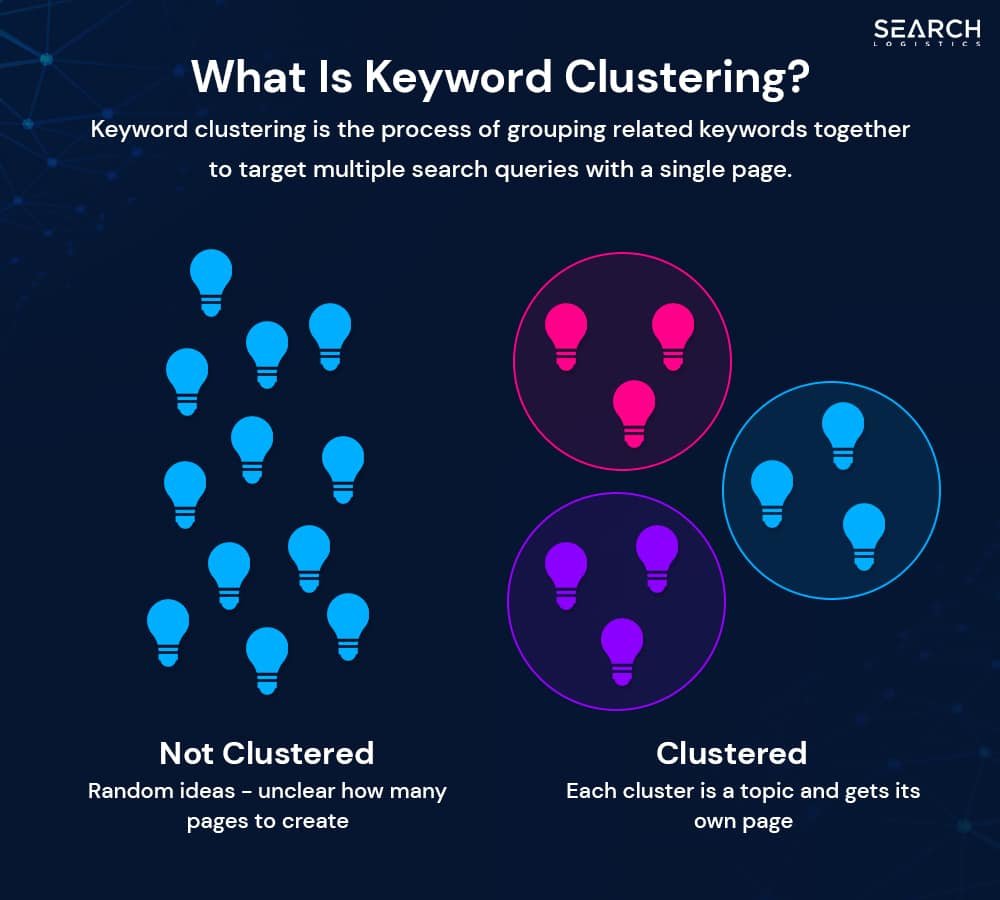
What Is Keyword Clustering Keyword clustering is the practice of grouping keywords that share the same or very similar search intent. Rather than writing dozens of individual pages targeting nearly identical keywords, you combine those keywords into one high-quality article.
For example, imagine you’re targeting the keywords “best hiking boots,” “top hiking boots,” and “best boots for hiking.” Although the wording is slightly different, users searching these terms usually want the same information. Instead of creating three separate articles, you create one comprehensive guide that naturally includes all three keyword variations.
Modern search engines have become much smarter than they were years ago. They understand synonyms, related phrases, and the overall context of a page. This means a well-written article can rank for hundreds or even thousands of related keywords without stuffing every possible phrase into the content.
Why Keyword Clustering Matters for SEO
One of the biggest benefits of keyword clustering is improved search visibility. Since your content targets multiple related search queries, it has more opportunities to appear in search engine results. Instead of competing against yourself with similar pages, you create one stronger and more authoritative resource. What Is Keyword Clustering
Keyword clustering also helps prevent keyword cannibalization. Keyword cannibalization happens when multiple pages on your website compete for the same search term. This often confuses search engines and can weaken your rankings because they struggle to determine which page deserves priority.
Another important advantage is a better user experience. Visitors generally prefer comprehensive guides that answer all their questions in one place. Longer, more informative content keeps users engaged, increases time spent on the page, and can improve important SEO metrics over time.
How Keyword Clustering Works
The keyword clustering process starts with keyword research. You first collect a large list of keywords related to your niche using SEO tools or search engine suggestions. These keywords often include short-tail, long-tail, question-based, and related phrases. What Is Keyword Clustering
Next, you examine the search intent behind each keyword. Search intent refers to the reason someone performs a search. If several keywords produce nearly identical search results, they usually belong in the same cluster because search engines see them as representing the same user intent.
Finally, you organize your clusters and create content around each group. The primary keyword usually appears in the title, URL, and major headings, while secondary keywords are naturally included throughout the article. This creates a well-optimized page without making the content feel repetitive.
Benefits of Using Keyword Clustering
One significant benefit is improved content efficiency. Instead of publishing multiple short articles with overlapping information, you produce one in-depth resource that provides greater value. This reduces your workload while improving your site’s overall quality. What Is Keyword Clustering
Keyword clustering also strengthens topical authority. When your website consistently covers related subjects in depth, search engines begin recognizing your site as an authority within that niche. Over time, this can make it easier for new pages to rank. What Is Keyword Clustering
Another advantage is easier internal linking. Since each article focuses on a distinct keyword cluster rather than individual keyword variations, your content structure becomes more organized. Visitors can navigate your website more easily, and search engines can better understand relationships between pages.
How to Create Keyword Clusters
The first step is gathering as many relevant keywords as possible. Start with a primary keyword and expand your list using autocomplete suggestions, related searches, question-based searches, and professional keyword research tools. The larger your keyword list, the easier it becomes to identify patterns. What Is Keyword Clustering
After collecting keywords, group those with similar meanings and identical search intent. For example, “how to bake bread,” “bread baking guide,” and “beginner bread recipe” may belong in the same cluster if users expect similar answers from each search. What Is Keyword Clustering
Finally, assign one primary keyword to each cluster and create an outline that naturally incorporates supporting keywords. Focus on writing valuable content instead of forcing keywords into every paragraph. Natural writing almost always performs better than keyword stuffing.
Common Mistakes to Avoid
One common mistake is grouping unrelated keywords together. Just because two keywords share similar words doesn’t mean they have the same search intent. Always compare the search results before combining keywords into a single cluster. What Is Keyword Clustering
Another mistake is creating overly broad articles. Trying to cover too many unrelated topics in one post can reduce clarity and weaken SEO performance. Each keyword cluster should have a clear and focused topic that satisfies one primary search intent.
Many beginners also overuse keywords throughout the content. Search engines now prioritize quality and readability over exact keyword repetition. Use your keywords naturally while maintaining a conversational tone that readers enjoy. What Is Keyword Clustering
Best Tools for Keyword Clustering
Several SEO tools make keyword clustering much easier. Platforms like Ahrefs, Semrush, Moz, and SE Ranking provide extensive keyword databases and help identify related search terms. These tools also offer valuable insights into search volume, competition, and keyword difficulty. What Is Keyword Clustering
Google itself is another excellent resource. Google Autocomplete, People Also Ask, and Related Searches often reveal valuable keyword variations that real users are searching for every day. These free resources can be surprisingly powerful when building keyword clusters.
There are also specialized keyword clustering tools that automatically organize keywords based on search engine result similarities. These tools save considerable time, especially when working with thousands of keywords for large websites or enterprise SEO campaigns.
Keyword Clustering vs. Traditional Keyword Targeting
Traditional SEO often involved creating one page for every keyword variation. This worked years ago when search engines relied heavily on exact-match keywords. However, this approach frequently resulted in thin content and duplicate pages. What Is Keyword Clustering
Keyword clustering takes a much more modern approach. Instead of focusing on individual keywords, it focuses on user intent. One comprehensive article can answer multiple related searches, making the content more useful for readers and more valuable to search engines.
As Google’s algorithms continue evolving, semantic search becomes increasingly important. Search engines now evaluate the overall meaning of content rather than counting exact keyword matches. Keyword clustering aligns perfectly with this shift toward intent-based search. What Is Keyword Clustering
Real-World Example of Keyword Clustering
Suppose you own a fitness website and want to target home workout searches. Instead of writing separate articles for “home workout,” “workout at home,” “exercise at home,” and “home fitness routine,” you could combine them into one comprehensive guide. What Is Keyword Clustering
Within that article, you could naturally discuss beginner workouts, equipment-free exercises, workout schedules, and common mistakes. By covering the topic thoroughly, your page becomes relevant to many related search queries instead of just one.
Over time, this single article may rank for dozens or even hundreds of long-tail keywords, bringing significantly more organic traffic than several shorter pages targeting individual phrases.
Final Thoughts
If you’ve been wondering what is keyword clustering, the answer is simple: it’s one of the smartest ways to organize your SEO strategy around user intent instead of isolated keywords. By grouping related search terms into meaningful clusters, you create stronger content that serves readers better while increasing your opportunities to rank in search engines.
Keyword clustering helps eliminate duplicate content, prevents keyword cannibalization, improves topical authority, and supports a cleaner website structure. It also makes content planning more efficient because each article targets an entire topic rather than a single phrase.
As search engines continue becoming more intelligent, creating comprehensive, high-quality content will only become more important. Whether you’re running a personal blog, an e-commerce store, or a large business website, incorporating keyword clustering into your SEO strategy can provide long-term benefits for both rankings and user experience.
You May Read Also: How to Draw Pokémon

