

How to Create a Vanity URL in WordPress
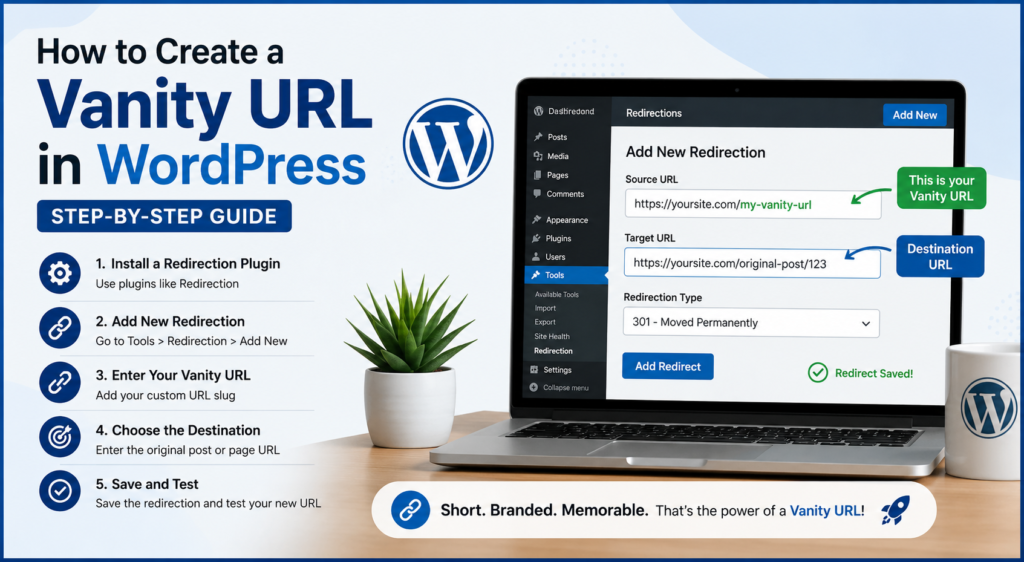
Creating a memorable website experience isn’t just about great design or quality content. Your URLs also play an important role in branding, marketing, and user experience. If you’ve ever seen a short, clean web address that redirects visitors to a longer page, you’ve likely encountered a vanity URL.
In WordPress, creating a vanity URL is easier than many people think. Whether you’re promoting an affiliate product, sharing links on social media, printing business cards, or running marketing campaigns, vanity URLs help you build trust while making links easier to remember.
In this guide, you’ll learn what a vanity URL is, why it’s valuable, and several easy ways to create one in WordPress without making your website complicated. How to Create a Vanity URL in WordPress
What Is a Vanity URL? How to Create a Vanity URL in WordPress
A vanity URL is a customized, easy-to-read web address that redirects users to another page. Instead of using a long or complicated URL filled with random characters, you create a short, branded link that’s simple to remember.
For example, instead of sharing a lengthy URL like: How to Create a Vanity URL in WordPress
yourwebsite.com/category/services/website-design-package-premium
you can create a vanity URL such as:
yourwebsite.com/design
Both links lead to the same destination, but the second one looks much cleaner and is easier to share.
Vanity URLs are commonly used by businesses, bloggers, influencers, and marketers because they improve the appearance of links across websites, emails, printed materials, and social media platforms. A professional-looking URL also encourages users to click because it appears trustworthy. How to Create a Vanity URL in WordPress
Another benefit is branding. Every time someone sees your custom URL, they’re reminded of your domain name instead of a generic link shortener. This keeps your brand visible while making your marketing materials look polished.
Why Should You Create a Vanity URL in WordPress?
One of the biggest advantages of vanity URLs is that they improve user experience. Visitors can easily remember a short link, making it more likely they’ll type it correctly or revisit it later.
From a marketing perspective, vanity Your SEO title doesn’t contain URLs perform exceptionally well in advertisements, podcasts, YouTube videos, presentations, and printed brochures. Instead of asking people to remember a long URL with multiple folders and parameters, you provide a simple word or phrase that sticks in their memory. How to Create a Vanity URL in WordPress
They also make tracking campaigns much easier. If you’re promoting different products or services, you can create unique vanity URLs for each campaign. This allows you to monitor which promotions receive the most clicks while keeping your URLs clean and organized.
Different Ways to Create a Vanity URL in WordPress
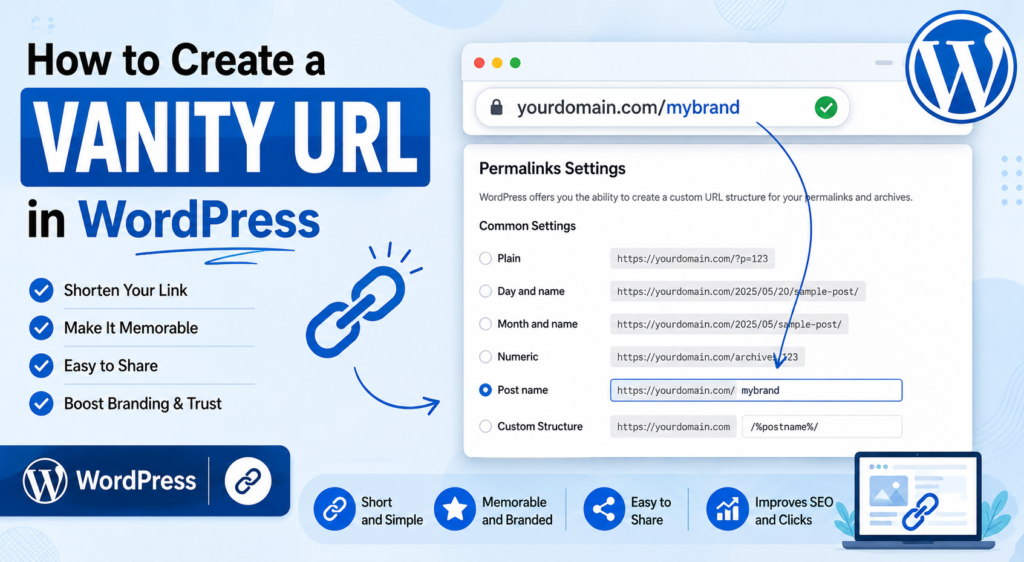
There How to Create a Vanity URL in WordPress isn’t just one method for creating vanity URLs. WordPress offers several approaches depending on your technical comfort level and website goals.
The simplest option is using a redirection plugin. Plugins eliminate the need for coding while giving you complete control over redirects. This is the preferred choice for most website owners because it’s quick, reliable, and beginner-friendly.
Another method involves editing your site’s .htaccess file. This approach gives you direct server-level redirects but requires careful editing. A small mistake can temporarily break your website, so it’s generally recommended only for users familiar with server configurations. SEO title doesn’t contain
Some website owners also use URL management or affiliate link plugins that create branded short links automatically. These plugins are particularly useful if you regularly share affiliate links or downloadable resources. How to Create a Vanity URL in WordPress
Creating a Vanity URL Using a WordPress Redirect Plugin
Using a redirect plugin is by far the easiest method.
First, install a reputable redirection plugin from the WordPress Plugin Directory. After activation, navigate to the plugin’s redirect management page.
Create a new redirect by entering your desired vanity URL as the source. For example: How to Create a Vanity URL in WordPress
/guide
Then enter the full destination URL where visitors should be redirected, such as:
Choose a permanent (301) redirect if the destination is permanent. Save your settings, and your vanity URL is ready to use immediately.
This method requires no programming knowledge and can easily be updated whenever your marketing campaigns change.
Creating a Vanity URL Without a Plugin How to Create a Vanity URL in WordPress
Some website owners prefer minimizing plugins to keep their websites lightweight. Fortunately, WordPress also allows vanity URLs through manual redirects. How to Create a Vanity URL in WordPress
The most common method is editing the .htaccess file located in your website’s root directory. You can access this file through your hosting control panel or FTP client.
A simple redirect rule tells the server that whenever someone visits your custom URL, they should automatically be sent to another page.
While this method is efficient and doesn’t require additional plugins, beginners should always back up their website before editing server files. Even a small syntax error may cause redirect problems or server errors. How to Create a Vanity URL in WordPress
Best Practices for Choosing a Good Vanity URL
A good vanity URL should be short, memorable, and directly related to the content it represents. Avoid long phrases or unnecessary words because the primary goal is simplicity.
Use meaningful keywords whenever possible. If you’re promoting an SEO guide, a vanity URL like:
yourwebsite.com/seo-guide How to Create a Vanity URL in WordPress
is much more effective than:
yourwebsite.com/page123
Keeping URLs descriptive helps users understand where they’ll be redirected before they even click.
Consistency also matters. If your website uses lowercase URLs, continue following that convention throughout your site. This creates a cleaner user experience and avoids unnecessary confusion.
SEO Benefits of Vanity URLs How to Create a Vanity URL in WordPress
Many people wonder whether vanity URLs improve search engine rankings. The answer is slightly more nuanced than a simple yes or no.
A vanity URL itself doesn’t automatically increase rankings. However, it contributes to better user experience, stronger branding, and higher click-through rates, all of which indirectly support your SEO efforts. How to Create a Vanity URL in WordPress
Using 301 redirects ensures that search engines understand the destination page is permanent. Proper redirects also help preserve link equity when older URLs are replaced with newer, cleaner versions.
Additionally, descriptive URLs are easier for users to share naturally. When people feel confident about a link’s destination, they’re generally more willing to click and recommend it to others. How to Create a Vanity URL in WordPress
Common Mistakes to Avoid How to Create a Vanity URL in WordPress
One common mistake is creating multiple vanity URLs that all point to similar content without a clear organizational strategy. Over time, this becomes difficult to manage and may confuse both visitors and administrators.
Another mistake is using temporary (302) redirects when permanent (301) redirects are more appropriate. Choosing the wrong redirect type can affect search engine indexing and SEO performance. How to Create a Vanity URL in WordPress
Many beginners also create vanity URLs but forget to test them after setup. Always verify that your redirect works correctly across desktop and mobile devices to ensure visitors reach the intended destination.
Tips for Managing Multiple Vanity URLs How to Create a Vanity URL in WordPress
As your website grows, you’ll likely create dozens of vanity URLs for marketing campaigns, promotions, downloadable resources, and seasonal offers.
Keeping a spreadsheet of all active redirects makes future maintenance much easier. Include the vanity URL, destination page, creation date, and campaign name for quick reference. Your SEO title doesn’t contain
It’s also a good practice to review old redirects every few months. Remove outdated ones that are no longer needed, and update any links pointing to pages that have changed. How to Create a Vanity URL in WordPress
Finally, monitor redirect performance through your analytics platform. Understanding which vanity URLs receive the most traffic can help improve future marketing campaigns. Your SEO title doesn’t contain
Final Thoughts How to Create a Vanity URL in WordPress
Learning how to create a vanity URL in WordPress is a simple yet valuable skill for anyone managing a website. Whether you’re a blogger, business owner, marketer, or freelancer, custom URLs make your content easier to share, easier to remember, and more professional.
The easiest solution is to use a redirect plugin, especially if you’re new to WordPress. More experienced users may choose manual redirects for additional control, but both methods achieve the same goal of creating clean, branded links. Your SEO title doesn’t contain
Remember that the best vanity URLs are short, descriptive, and relevant to the content they promote. When combined with proper redirect settings and thoughtful organization, they can improve branding, support marketing campaigns, and create a smoother experience for your visitors. Your SEO title doesn’t contain
Instead of relying on long, cluttered links, start using vanity URLs throughout your WordPress website. It’s a small improvement that can make a lasting impression on your audience while helping your site look more polished and professional. Your SEO title doesn’t contain
You May Read Also: Convert HTML to URL Online Free

