

Can Chickens Eat Kiwi If you raise backyard chickens, you’ve probably wondered whether it’s safe to share some of your favorite fruits with them. One question that often comes up is: Can chickens eat kiwi? The short answer is yes. Chickens can safely eat kiwi, and many of them enjoy its sweet, juicy flavor. However, like any treat, kiwi should be offered in moderation as part of a balanced diet.
Kiwi is packed with vitamins, minerals, antioxidants, and fiber that can provide nutritional benefits for your flock. Still, it isn’t meant to replace a high-quality commercial feed, which supplies the nutrients chickens need every day. Understanding how to prepare kiwi properly and how much to feed can help your birds enjoy this fruit safely.
In this guide, we’ll explore everything you need to know about feeding kiwi to chickens, including its nutritional value, health benefits, possible risks, serving tips, and answers to common questions.
Is Kiwi Safe for Chickens?
The good news is that kiwi is generally considered safe for chickens of all ages when served appropriately. Both ripe green kiwi and golden kiwi varieties are suitable as occasional treats.
Unlike some fruits that contain toxic compounds, kiwi doesn’t contain ingredients that are dangerous to chickens. Most chickens are naturally curious and will happily peck at fresh slices once they realize it’s edible. The fruit’s soft texture makes it easy for them to eat, especially when it’s fully ripe. Can Chickens Eat Kiwi Can Chickens Eat Kiwi
It’s worth remembering that treats should make up no more than about 10% of a chicken’s overall diet. The remaining 90% should consist of balanced poultry feed to ensure proper growth, egg production, and overall health. Kiwi should be viewed as a healthy supplement rather than a staple food.
Nutritional Value of Kiwi
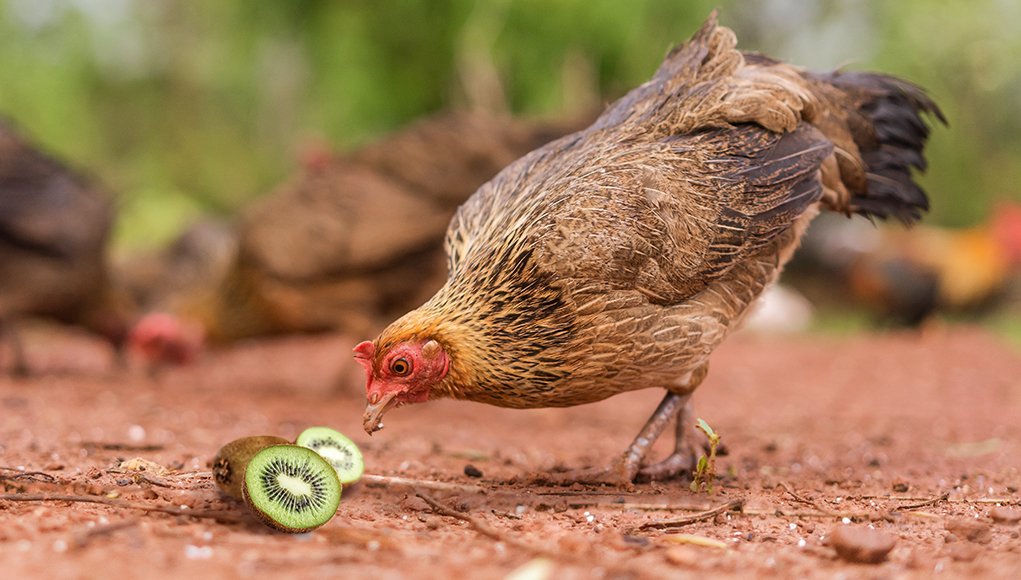
Kiwi may be small, but it offers an impressive nutritional profile that benefits both humans and chickens. Can Chickens Eat Kiwi
One of its standout nutrients is vitamin C. Although chickens naturally produce vitamin C in their bodies, extra amounts may be helpful during periods of stress, extreme heat, or illness. Kiwi also contains vitamin K, vitamin E, folate, and several B vitamins that support normal body functions.
In addition to vitamins, kiwi provides potassium, copper, magnesium, calcium, and small amounts of phosphorus. These minerals contribute to healthy muscles, nerves, bones, and metabolic processes. Kiwi also contains antioxidants that help protect cells from oxidative stress. Can Chickens Eat Kiwi
The fruit is naturally high in water, making it a refreshing snack during hot summer months. Its dietary fiber supports healthy digestion when fed in reasonable quantities, while its natural sugars offer a quick energy boost without being excessive. Can Chickens Eat Kiwi
Health Benefits of Feeding Kiwi to Chickens
1. Supports Immune Health
Kiwi contains antioxidants and vitamin C that may help support a chicken’s immune system. Healthy birds are generally better equipped to handle environmental stress and seasonal changes.
While chickens don’t rely on dietary vitamin C the same way humans do, extra antioxidant-rich foods can still contribute to overall wellness. Offering kiwi occasionally adds nutritional variety that complements a balanced diet. Can Chickens Eat Kiwi
Providing different fruits and vegetables also encourages natural foraging behavior, keeping chickens mentally stimulated while exposing them to a broader range of nutrients.
2. Encourages Hydration
Because kiwi contains a high percentage of water, it’s an excellent treat during warm weather. Chickens can lose moisture quickly during hot days, and juicy fruits help supplement their water intake.
Hydrating treats should never replace clean drinking water, but they can encourage birds to consume additional fluids naturally. Many chicken keepers enjoy freezing small kiwi pieces for a refreshing summer snack. Can Chickens Eat Kiwi
Keeping chickens hydrated supports egg production, body temperature regulation, and overall health, especially in hotter climates.
3. Promotes Healthy Digestion
Kiwi contains both soluble and insoluble fiber, which can support healthy digestion when fed in moderation. Fiber helps maintain regular digestive function and contributes to a healthy gut environment.
Too much fiber, however, may upset digestion, so moderation is important. A few slices shared among your flock are more than enough for most feeding sessions.
A varied diet that includes occasional fruits, vegetables, grains, and quality poultry feed helps maintain digestive balance throughout the year.
Can Chickens Eat Kiwi Skin?
Yes, chickens can eat kiwi skin, but many owners choose to remove it before serving.
Kiwi skin is edible and contains additional fiber and nutrients. However, its fuzzy texture may not appeal to every chicken, and some birds simply ignore it while eating the softer flesh.
If you decide to feed the skin, wash the kiwi thoroughly to remove dirt, pesticide residue, or wax coatings. Choosing organic fruit whenever possible provides extra peace of mind, although washing is still recommended.
Cutting the kiwi into smaller pieces makes it easier for chickens to peck and reduces waste.
Can Chickens Eat Kiwi Seeds?
Kiwi seeds are perfectly safe for chickens.
The tiny black seeds are soft and easily digested. Unlike the seeds found in certain fruits, kiwi seeds don’t contain harmful compounds that pose a risk to poultry.
Since the seeds are naturally mixed throughout the fruit, there’s no need to remove them before feeding. Chickens usually consume them without even noticing.
The seeds also contain small amounts of healthy fats and nutrients that contribute to the fruit’s overall nutritional value.
How Much Kiwi Should Chickens Eat?
Even healthy treats should be offered responsibly.
Kiwi contains natural sugars that, while healthier than processed sugars, can still become excessive if fed too often. Too much fruit may reduce a chicken’s appetite for its nutritionally complete feed.
A practical guideline is to offer kiwi once or twice per week as part of a rotating selection of healthy treats. A single kiwi can usually be shared among several chickens depending on the size of your flock.
Mixing kiwi with other safe fruits and vegetables creates variety while preventing overconsumption of any one food.
The Best Way to Feed Kiwi to Chickens
Serving kiwi is simple and doesn’t require complicated preparation.
Begin by washing the fruit thoroughly under running water. Slice it into halves, quarters, or bite-sized chunks depending on the size of your chickens. Smaller pieces make sharing easier and reduce competition among birds.
You can place the fruit directly on the ground, in a shallow feeding tray, or hang larger halves for enrichment. Hanging treats encourage natural pecking behavior and keep the fruit cleaner than leaving it on the soil.
Always remove uneaten fruit after several hours, especially during warm weather, to prevent spoilage and insect activity.
Foods That Pair Well with Kiwi
If you’re preparing a healthy treat mix, kiwi combines well with several chicken-safe foods.
Fresh strawberries, blueberries, watermelon, apples without seeds, grapes cut into halves, bananas, cucumber, lettuce, spinach, pumpkin, peas, and cooked squash all make excellent additions.
Providing a colorful variety of fruits and vegetables exposes chickens to a wider range of nutrients while making treat time more interesting.
Remember that even healthy produce should never replace the nutritional foundation provided by complete layer or grower feed.
Foods Chickens Should Never Eat
While kiwi is safe, some foods should always stay off the menu.
Avoid feeding chickens chocolate, caffeine, alcohol, avocado pits and skins, raw dried beans, moldy food, highly salty snacks, excessively sugary desserts, and spoiled produce.
Green potato peels and uncooked potato sprouts should also be avoided because they contain solanine, which can be harmful.
Whenever you’re unsure about a particular food, research it first before adding it to your flock’s diet.
Signs You’ve Fed Too Much Fruit
Most chickens tolerate occasional fruit very well, but excessive amounts may cause digestive upset.
Loose droppings, decreased appetite for regular feed, or unusually messy coop conditions can indicate that too many treats are being offered.
If you notice these signs, reduce fruit intake and allow your birds to return to their standard poultry feed for several days.
Maintaining moderation ensures your chickens receive proper nutrition while still enjoying occasional healthy snacks.
Frequently Asked Questions
Can baby chicks eat kiwi?
Very young chicks should primarily eat starter feed formulated for their rapid growth. Once they’re older and established, tiny amounts of soft kiwi can be introduced occasionally under supervision.
Can laying hens eat kiwi?
Absolutely. Laying hens can enjoy kiwi as an occasional treat while continuing to consume a high-quality layer feed rich in calcium and protein.
Can chickens eat golden kiwi?
Yes. Golden kiwi is just as safe as green kiwi and offers similar nutritional benefits. Many chickens happily eat either variety.
Can chickens eat frozen kiwi?
Yes. Frozen kiwi pieces make a refreshing summer treat. Allow them to soften slightly before serving so they’re easier for chickens to peck.
Final Thoughts
So, can chickens eat kiwi? The answer is a confident yes. Kiwi is a nutritious, refreshing fruit that can be a wonderful occasional treat for backyard chickens. Rich in vitamins, minerals, antioxidants, fiber, and water, it supports overall wellness while adding welcome variety to your flock’s diet.
Both the flesh and seeds are safe, and even the skin can be fed if it’s washed thoroughly. The key is moderation. Kiwi should complement—not replace—a nutritionally balanced poultry feed that provides everything chickens need for healthy growth, strong egg production, and long-term health.
When served responsibly alongside other chicken-safe fruits and vegetables, kiwi can become a colorful, healthy addition to your flock’s treat rotation. Your chickens will likely enjoy pecking at this sweet fruit, and you’ll have peace of mind knowing you’re offering a snack that’s both enjoyable and nutritious.
You May Read Also:

