

Introduction
Influence Gone Wild The internet has transformed the way people build their personal brands. Just a decade ago, becoming famous usually required television appearances, magazine features, or recognition from established media outlets. Today, anyone with a smartphone and an internet connection has the opportunity to gain thousands—or even millions—of followers. This shift has created an entirely new digital economy where influence itself has become a valuable asset.
The phrase “Influence Gone Wild” perfectly captures what happens when online popularity begins to outweigh responsibility. As influencers compete for attention, some create increasingly dramatic, controversial, or sensational content in hopes of reaching larger audiences. While many creators use their platforms to educate, entertain, or inspire, others push boundaries that spark debates about ethics, privacy, and authenticity. Influence Gone Wild
Understanding this phenomenon requires looking beyond viral videos and trending hashtags. It involves examining how social media algorithms reward engagement, how audiences respond to controversy, and why online influence has become one of the most powerful forces shaping modern culture.
What Does “Influence Gone Wild” Really Mean?
At its core, “Influence Gone Wild” describes situations where online influence becomes excessive, unpredictable, or driven primarily by the pursuit of attention. Rather than focusing on meaningful content, creators may prioritize shock value because controversial posts often receive more comments, shares, and reactions. Influence Gone Wild
This doesn’t mean every influencer behaves irresponsibly. In fact, thousands of creators build positive communities by sharing educational content, lifestyle advice, fitness routines, technology reviews, or creative projects. The phrase instead highlights the extreme side of influencer culture, where popularity becomes more important than credibility. Influence Gone Wild
Social media platforms encourage rapid engagement. When controversial content performs well, creators sometimes feel pressure to produce increasingly dramatic material. Over time, this cycle can blur the line between entertainment and responsible communication. Influence Gone Wild
The Rise of Influencer Culture
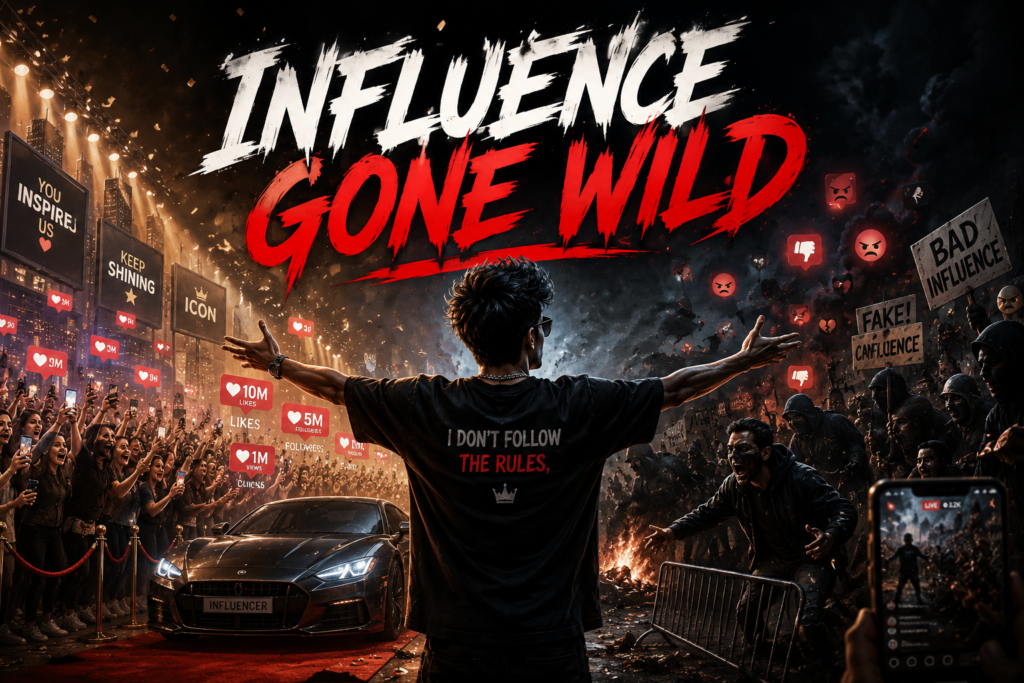
Influence Gone Wild Influencer marketing has evolved into a multi-billion-dollar industry. Brands now collaborate with content creators across platforms like Instagram, TikTok, YouTube, and Facebook because audiences often trust personalities they follow more than traditional advertisements.
The appeal of influencers comes from relatability. Unlike celebrities, influencers often share everyday experiences that make audiences feel connected to their lives. This authenticity helps build loyal communities and creates opportunities for partnerships with businesses.
However, success also brings pressure. As competition increases, creators must consistently produce fresh content while maintaining audience engagement. For some, this pressure contributes to increasingly risky or sensational strategies designed to remain relevant. Influence Gone Wild
Why Controversial Content Spreads So Quickly
Human psychology naturally responds to surprise, conflict, and emotional stories. Social media algorithms recognize these reactions and often recommend content that generates high engagement. As a result, controversial posts can spread much faster than ordinary updates.
When users comment, argue, or share a post, algorithms interpret those interactions as signals that the content is interesting. Even negative attention may increase visibility. This creates an environment where dramatic content often receives greater exposure than balanced or informative discussions.
Creators who understand this system sometimes tailor their content specifically for maximum engagement. While this approach may increase views in the short term, it can also damage credibility and audience trust over time. Influence Gone Wild
The Positive Side of Online Influence
Despite the criticism surrounding influencer culture, online influence has created countless positive opportunities. Many creators use their platforms to educate audiences, promote charitable causes, raise awareness about important issues, and share valuable knowledge.
Educational influencers simplify complex subjects ranging from science and finance to photography and programming. Health professionals provide reliable wellness information, while educators make learning more accessible through engaging videos and tutorials. Influence Gone Wild
Small businesses have also benefited significantly. Influencers help local brands reach customers without requiring massive advertising budgets. This has democratized marketing and allowed entrepreneurs to compete in ways that were previously impossible. Influence Gone Wild
When Influence Crosses Ethical Boundaries
Problems arise when creators prioritize engagement over ethics. Misleading advertisements, exaggerated claims, staged content, and undisclosed sponsorships can erode audience trust. Transparency is essential because followers often rely on influencers when making purchasing decisions. Influence Gone Wild
Privacy is another growing concern. Some creators share personal moments involving family members, friends, or strangers without considering long-term consequences. Viral content may generate millions of views, but those featured in the videos may experience unwanted attention or harassment.
Responsible influencers recognize that popularity carries responsibility. They understand the importance of fact-checking information, respecting privacy, and clearly disclosing paid partnerships.
The Role of Social Media Algorithms
Algorithms determine much of what users see online. Their primary goal is to keep people engaged by recommending content they are likely to watch, like, or share. While this improves user engagement, it can unintentionally reward sensational material. Influence Gone Wild
Creators quickly learn which types of posts generate stronger reactions. As they adapt to algorithm preferences, content across platforms may become increasingly exaggerated or emotionally charged. This feedback loop contributes to the “gone wild” aspect of online influence.
Platform developers continue refining recommendation systems to reduce harmful content while promoting higher-quality information. However, balancing free expression with responsible moderation remains a complex challenge.
How Audiences Can Become Smarter Consumers
Media literacy has become an essential skill in the digital age. Instead of accepting every viral claim at face value, audiences should verify information through multiple reliable sources. Critical thinking helps users distinguish genuine expertise from misleading content.
Following diverse creators also reduces the risk of developing an overly narrow perspective. Exposure to different viewpoints encourages balanced understanding and decreases dependence on any single influencer.
It’s equally important to recognize sponsored content. Ethical creators disclose partnerships openly, allowing audiences to make informed decisions about products and services.
The Future of Influencer Culture
Influencer marketing is unlikely to disappear. Instead, it will continue evolving alongside new technologies such as artificial intelligence, virtual creators, augmented reality, and immersive digital experiences.
Brands are increasingly prioritizing authenticity over follower counts. Micro-influencers with smaller but highly engaged communities often deliver stronger results than creators with massive audiences but lower trust levels.
Regulatory organizations are also paying closer attention to advertising transparency and consumer protection. As standards improve, audiences can expect greater accountability across the influencer industry.
Conclusion
“Influence Gone Wild” represents more than viral moments or internet drama. It reflects the growing impact of digital personalities on culture, consumer behavior, and public conversation. While online influence creates exciting opportunities for education, entrepreneurship, and creativity, it also raises important questions about responsibility, ethics, and authenticity.
The future of influencer culture depends on both creators and audiences. Influencers who value honesty, transparency, and meaningful engagement are more likely to build lasting communities, while informed audiences can encourage higher standards by supporting credible content.
Ultimately, influence itself is neither good nor bad. Its impact depends on how it is used. As social media continues to shape modern communication, responsible influence will become increasingly valuable, proving that lasting success comes not from chasing controversy but from earning trust.
You May Read Also: Gianluca Cugnetto

