

Introduction
The phrase “new century“ represents much more than the beginning of another 100-year period. It symbolizes progress, innovation, cultural transformation, and fresh opportunities that shape how people live, work, and communicate. Every new century introduces changes that redefine society, influence economies, and encourage individuals to think differently about the future.
As we continue through the 21st century, the pace of change has become faster than ever before. Technology evolves rapidly, businesses adapt to digital trends, healthcare continues to improve, and education is becoming more accessible worldwide. These developments make the new century an exciting time filled with endless possibilities.
This article explores what the new century truly means, the major changes it has introduced, and how individuals and organizations can prepare for a future that continues to evolve.
Understanding the Meaning of a New Century
A new century marks the beginning of a fresh historical chapter. While the calendar changes every year, a century represents a much larger period that often reflects significant shifts in civilization. Throughout history, new centuries have brought scientific discoveries, political transformations, and cultural revolutions that influenced generations.
The current century is characterized by rapid globalization and digital connectivity. Unlike previous centuries where information traveled slowly, today’s communication happens instantly across continents. Businesses collaborate globally, students learn online, and people interact through technology every day.
Beyond technological advancements, the new century also represents a change in mindset. Modern society places greater importance on innovation, sustainability, diversity, and continuous learning. These values influence governments, companies, educational institutions, and individuals alike, creating a more interconnected and forward-thinking world.
Technology: The Driving Force of the New Century
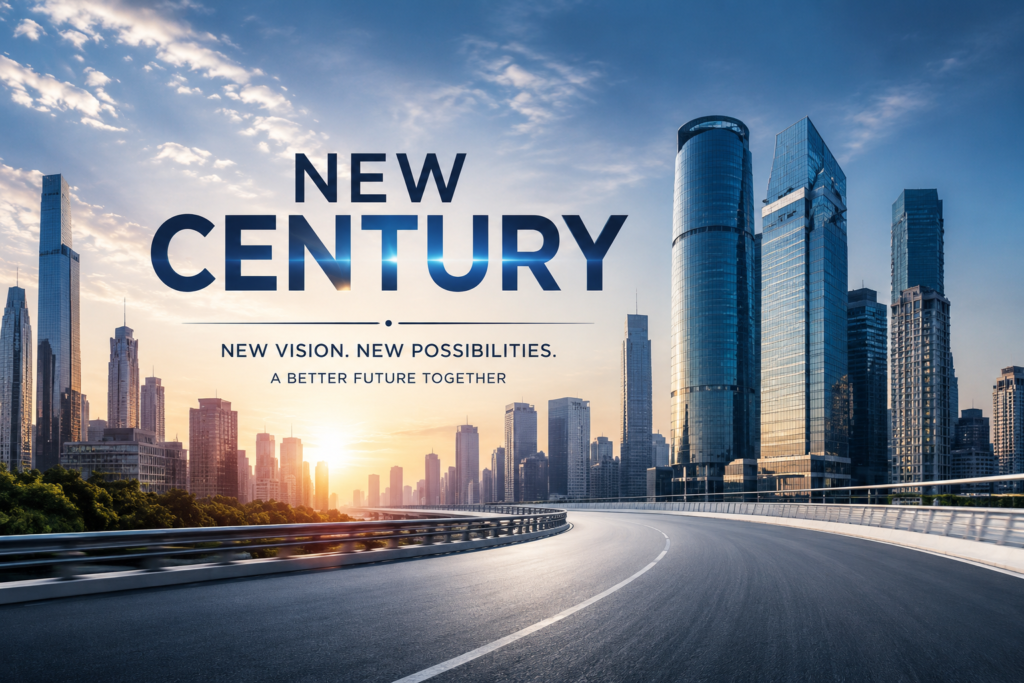
Technology new century has become one of the defining characteristics of the new century. Devices that were once considered futuristic are now part of everyday life. Smartphones, cloud computing, artificial intelligence, and high-speed internet have transformed how people communicate and solve problems.
Businesses have experienced remarkable changes due to digital transformation. Traditional operations are increasingly replaced by automated systems, data analytics, and online platforms. Companies can now reach customers worldwide, improve efficiency, and provide better services through technological innovation.
Artificial intelligence continues to reshape industries ranging from healthcare to finance. Machine learning helps businesses analyze large datasets, while automation reduces repetitive tasks. Although technology creates new opportunities, it also encourages workers to develop new skills that remain valuable in an increasingly digital economy.
Education in the New Century
Education has undergone significant transformation during the new century. Traditional classroom learning remains important, but online education has opened doors for millions of learners worldwide. Students now have access to courses from leading universities regardless of their geographical location.
Digital learning platforms allow individuals to learn at their own pace. Interactive videos, virtual classrooms, online certifications, and educational apps make learning more flexible than ever before. This accessibility encourages lifelong learning, helping professionals stay competitive throughout their careers.
Modern education also focuses on practical skills alongside academic knowledge. Critical thinking, communication, creativity, collaboration, and digital literacy are increasingly emphasized because employers value these abilities in today’s workplace. As industries continue evolving, continuous education has become essential for long-term success.
Business and the Economy in the New Century
The business landscape has changed dramatically over the past two decades. Digital commerce, remote work, and global markets have created opportunities that were unimaginable just a few decades ago. Entrepreneurs can launch businesses online with relatively low investment while reaching customers across multiple countries.
Innovation has become one of the most valuable competitive advantages. Companies invest heavily in research, technology, customer experience, and sustainability to remain relevant. Businesses that embrace change often adapt more successfully to shifting market conditions.
Consumers have also become more informed and connected. Online reviews, social media, and instant communication influence purchasing decisions every day. This increased transparency encourages businesses to improve product quality, customer service, and ethical business practices.
Healthcare Advances in the New Century
Healthcare has seen remarkable progress during the new century. Medical research continues to produce better treatments, advanced diagnostic tools, and innovative technologies that improve patient care. Doctors now have access to sophisticated equipment that helps detect diseases earlier than ever before.
Telemedicine has become increasingly popular, allowing patients to consult healthcare professionals without traveling long distances. Virtual appointments improve accessibility, especially for individuals living in remote areas or those with limited mobility.
Personalized medicine is another exciting development. Researchers are learning how genetics influence health, making it possible to design treatments tailored to individual patients. Combined with artificial intelligence and advanced medical research, these innovations continue to improve healthcare outcomes around the world.
Environmental Awareness and Sustainability
One of the defining themes of the new century is environmental responsibility. Climate change, pollution, and resource conservation have become global concerns that require cooperation among governments, businesses, and individuals.
Renewable energy sources such as solar, wind, and hydroelectric power continue to expand worldwide. These alternatives help reduce dependence on fossil fuels while lowering greenhouse gas emissions. Advances in clean technology also make sustainable solutions more affordable and accessible.
Consumers are increasingly supporting environmentally responsible companies. Businesses now invest in sustainable packaging, energy-efficient operations, and responsible sourcing to meet growing customer expectations. These efforts demonstrate that economic growth and environmental protection can work together.
Social Media and Digital Communication
Communication has transformed dramatically during the new century. Social media platforms allow people to connect instantly regardless of distance, creating global communities centered around shared interests, education, entertainment, and business.
Digital communication has also changed how companies interact with customers. Brands engage directly with audiences through social platforms, respond to feedback quickly, and build stronger relationships through personalized content. This two-way communication creates greater transparency and trust.
However, the rise of digital communication also presents challenges. Privacy concerns, misinformation, and excessive screen time require individuals to develop responsible online habits. Digital literacy has become increasingly important as people navigate a constantly evolving online environment.
Career Opportunities in the New Century
The modern workforce looks significantly different compared to previous generations. Many careers that exist today did not exist twenty years ago, while automation has changed the nature of numerous traditional jobs.
Technology-related careers continue to experience strong growth. Fields such as cybersecurity, software development, artificial intelligence, digital marketing, cloud computing, and data science offer excellent opportunities for professionals willing to learn new skills.
Remote work has also become more common. Professionals can collaborate with international teams from virtually anywhere, providing greater flexibility and access to global employment opportunities. As a result, adaptability and continuous learning have become valuable career assets.
Challenges Facing the New Century
Despite remarkable progress, the new century also presents significant challenges. Cybersecurity threats continue to increase as digital systems become more interconnected. Organizations invest heavily in protecting sensitive information from cybercriminals and maintaining customer trust.
Economic inequality remains another important issue. While technological advancement creates wealth and opportunity, access to education, healthcare, and digital resources varies across different regions. Addressing these disparities requires long-term cooperation between governments and private organizations.
Mental health has also become a growing concern in today’s fast-paced society. Constant connectivity, workplace pressures, and information overload can contribute to stress and anxiety. Promoting work-life balance, emotional well-being, and mental health awareness has become increasingly important.
Preparing for Success in the New Century
Success in the new century requires flexibility and a willingness to embrace change. Individuals who continuously develop their knowledge and adapt to emerging trends often find greater opportunities both personally and professionally.
Building digital skills has become essential across nearly every industry. Understanding technology, improving communication abilities, and staying informed about industry developments help professionals remain competitive in a changing job market.
Equally important is maintaining strong human qualities such as creativity, empathy, ethical decision-making, and collaboration. While technology continues advancing, these uniquely human skills remain difficult to replace and highly valuable in modern society.
The Future of the New Century
Looking ahead, the new century promises even greater transformation. Artificial intelligence, robotics, renewable energy, biotechnology, and space exploration are expected to influence future generations in remarkable ways. Scientific discoveries will likely continue improving quality of life while creating entirely new industries.
Cities are becoming smarter through connected infrastructure, intelligent transportation systems, and sustainable urban planning. These innovations aim to improve efficiency while reducing environmental impact and enhancing residents’ quality of life.
Global collaboration will remain essential for addressing shared challenges such as climate change, public health, cybersecurity, and economic development. The ability to cooperate across borders will shape the future success of societies worldwide.
Conclusion
The new century represents far more than a change in the calendar. It reflects an era defined by technological innovation, global connectivity, educational advancement, environmental awareness, and continuous transformation. While new opportunities continue to emerge, so do challenges that require thoughtful solutions and responsible leadership.
Individuals who embrace lifelong learning, adapt to technological change, and develop both technical and interpersonal skills are well-positioned to succeed in this evolving world. Businesses that prioritize innovation, sustainability, and customer value will continue to thrive in increasingly competitive markets.
Ultimately, the new century is an invitation to look forward with optimism. By combining human creativity with technological progress and a commitment to responsible development, society can continue building a future that benefits people across the globe.
You May Read Also Rajah Caruth Net Worth

